You now have secure access to your company documents.


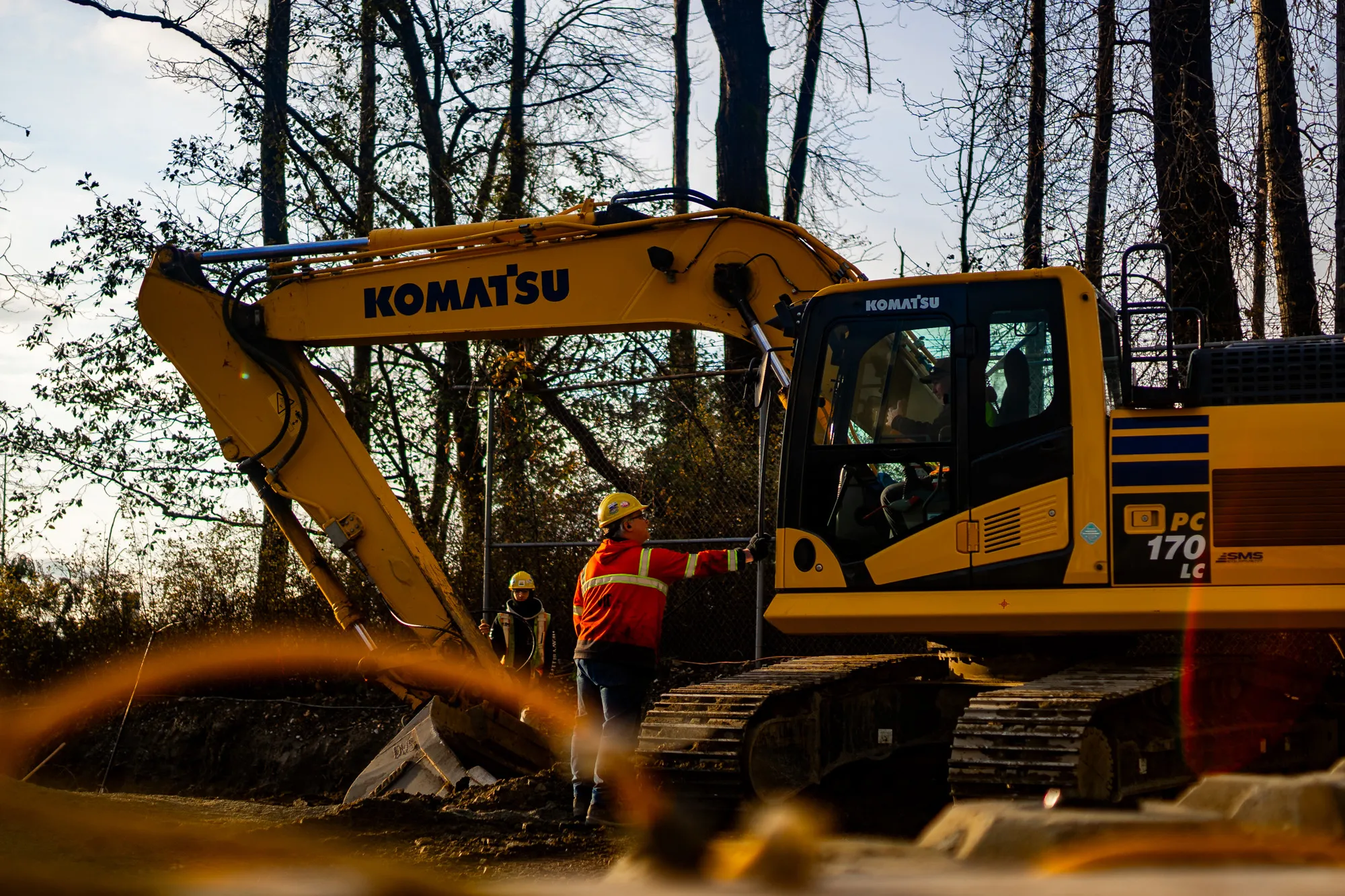
This strategic brand blueprint redefines FWS's identity in alignment with its leadership position in industrial construction. Formerly aligned with the Magician/Ruler archetype, the brand evoked transformation through vision and the power to guide clients through the unknown. While this persona served the company during earlier growth stages, it no longer fully reflects the company’s position in the market or its influence across sectors. In this revised direction, FWS transitions confidently into a Ruler/Sage archetype—balancing authority, control, and strategic foresight with wisdom, expertise, and clarity.
This updated strategy elevates how FWS shows up visually, vocally, and experientially across all touchpoints—from social media and advertising to client proposals, onboarding materials, internal training assets, and trade show presence.
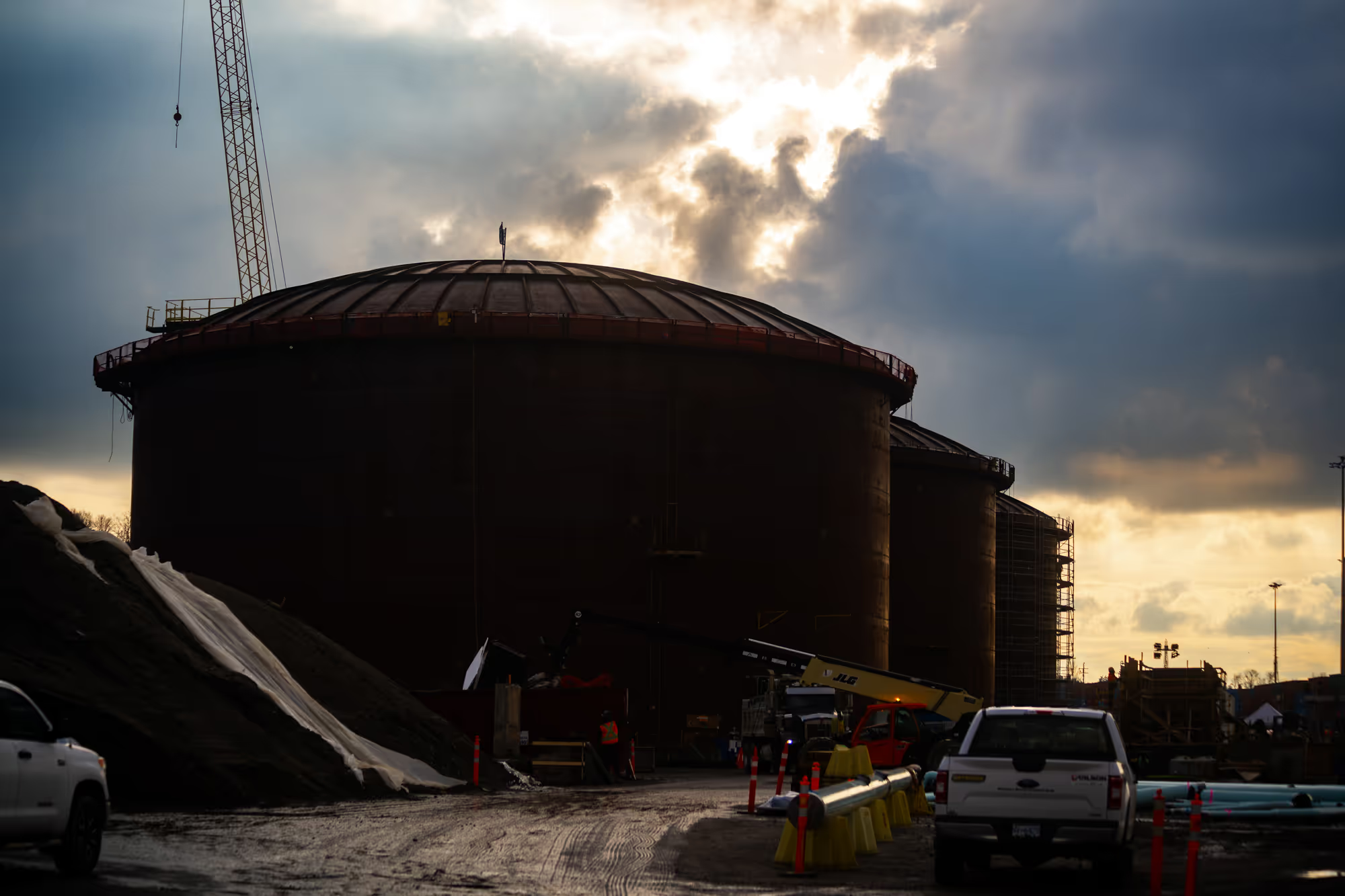
The Ruler archetype reinforces FWS’s command over large-scale, high-stakes construction projects. It communicates control, structure, confidence, and leadership. Clients see a company that owns its process, minimizes risk, and delivers on its word.

The Sage embodies FWS’s deep bench of expertise. It positions the brand as a trusted advisor—one who guides, educates, and informs at every stage of the project. It’s not just what FWS builds; it’s how and why.
FWS leads with confidence and backs it up with expertise.


FWS’s refined brand tagline, “Building Beyond,” was developed as a strategic evolution of the company’s previous tagline, “End-to-End Solutions and Beyond.” While the original phrasing attempted to communicate the company's scope and ambition, it lacked clarity and resonance. The revised version keeps the essence of “beyond”—a powerful and flexible word that implies leadership, innovation, and limitless possibility—while eliminating the awkward phrasing and redundancy of the original.
The phrase is clean, short, and memorable—perfect for marketing, signage, and digital campaigns. It removes vague terminology and replaces it with a bold, declarative phrase that says exactly what FWS does: it builds. But more importantly, it builds beyond expectations, boundaries, and conventional methods.
“Building Beyond” is intentionally open-ended, allowing it to be extended across multiple themes, campaigns, and services. Examples include:
This modularity gives the tagline longevity and broad creative application.
The tagline communicates leadership (Ruler) and innovation (Sage) in a single, forward-looking phrase. It reflects the company’s authority in complex, large-scale projects while hinting at their commitment to continuous improvement, sustainability, and knowledge-based solutions.
By retaining the word “beyond” and similar font characteristics, the tagline pays homage to the legacy brand without requiring a total departure. This helps ease internal and external audiences into the new strategy, preserving familiarity while enhancing strategic clarity.
When paired with FWS’s updated visual identity—bold type, deep red tones, and disciplined design—the tagline reinforces the sense of control, foresight, and confidence central to the brand’s Ruler/Sage positioning.
“Building Beyond” is more than a marketing line—it’s a brand promise. It captures the strategic evolution of FWS and sets a high standard for its internal teams, partners, and clients to rally behind. It communicates leadership, future-readiness, and a refusal to settle for industry norms.
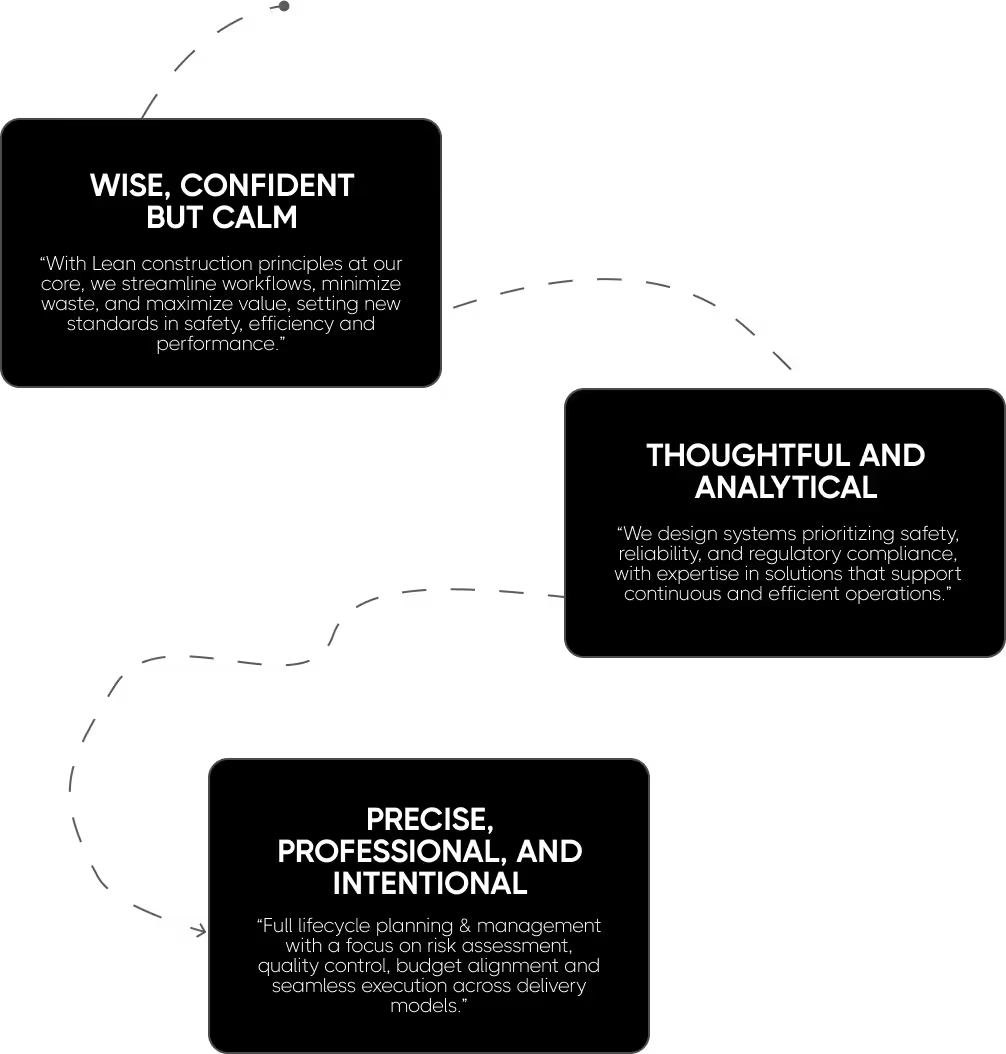
Authoritative yet approachable. Confident without bravado. Thoughtful, structured, and exacting.
Industrial orange for energy and visibility
Charcoal and black for strength and structure
White for simplicity and space
A deep navy accent for contrast and subtle sophistication.
Steel gray for clarity and technical control
A soft gray for balance, neutrality, and clean minimalism.
These colors reinforce a commanding and professional aesthetic. They communicate the gravitas of the Ruler and the discipline of the Sage without appearing cold or distant.
GOTHAM BLACK ITALIC ALL CAPS
GOTHAM MEDIUM ITALIC ALL CAPS
GOTHAM BOLD ITALIC ALL CAPS
GOTHAM LIGHT ALL CAPS
GOTHAM LIGHT

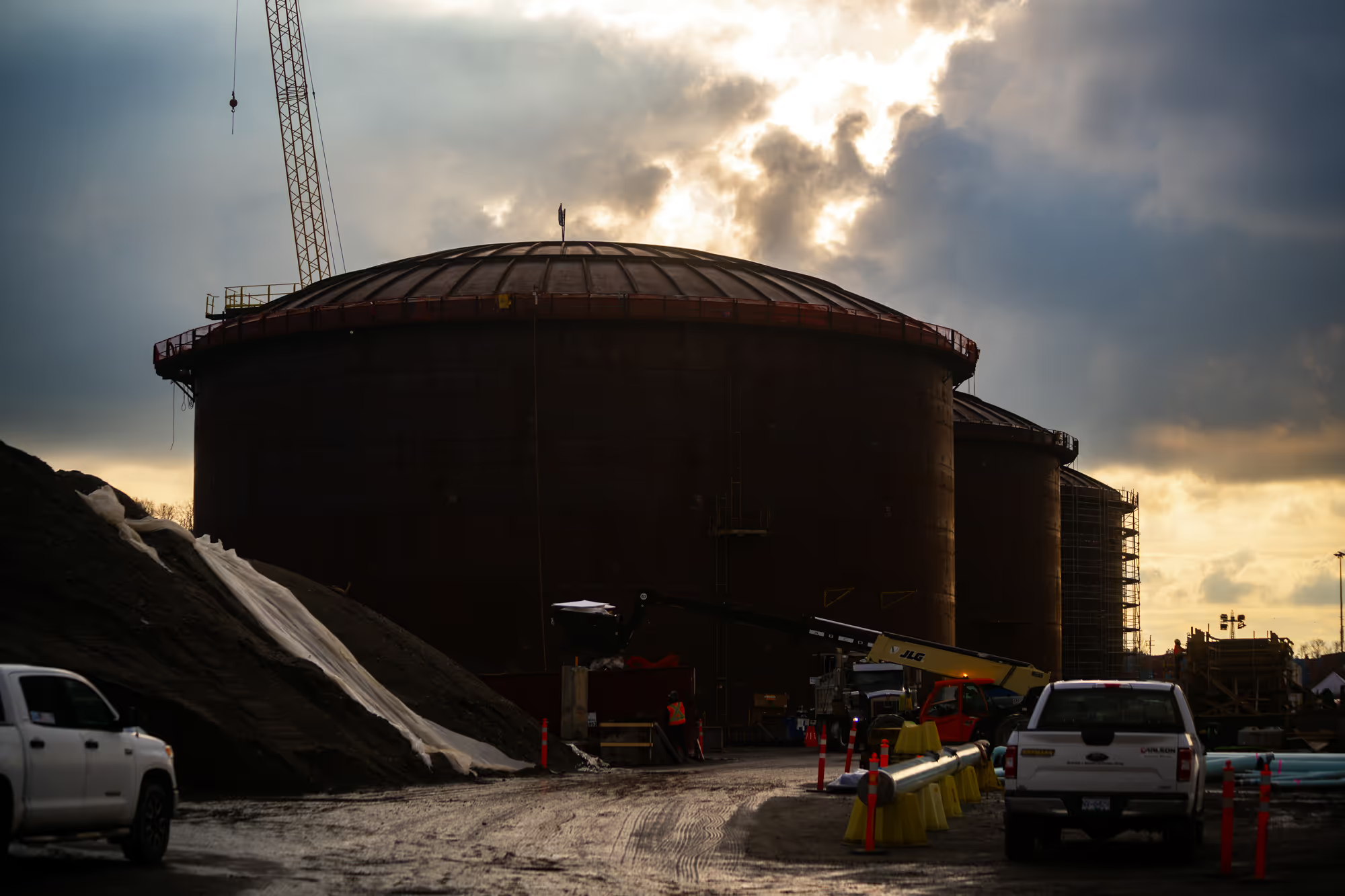

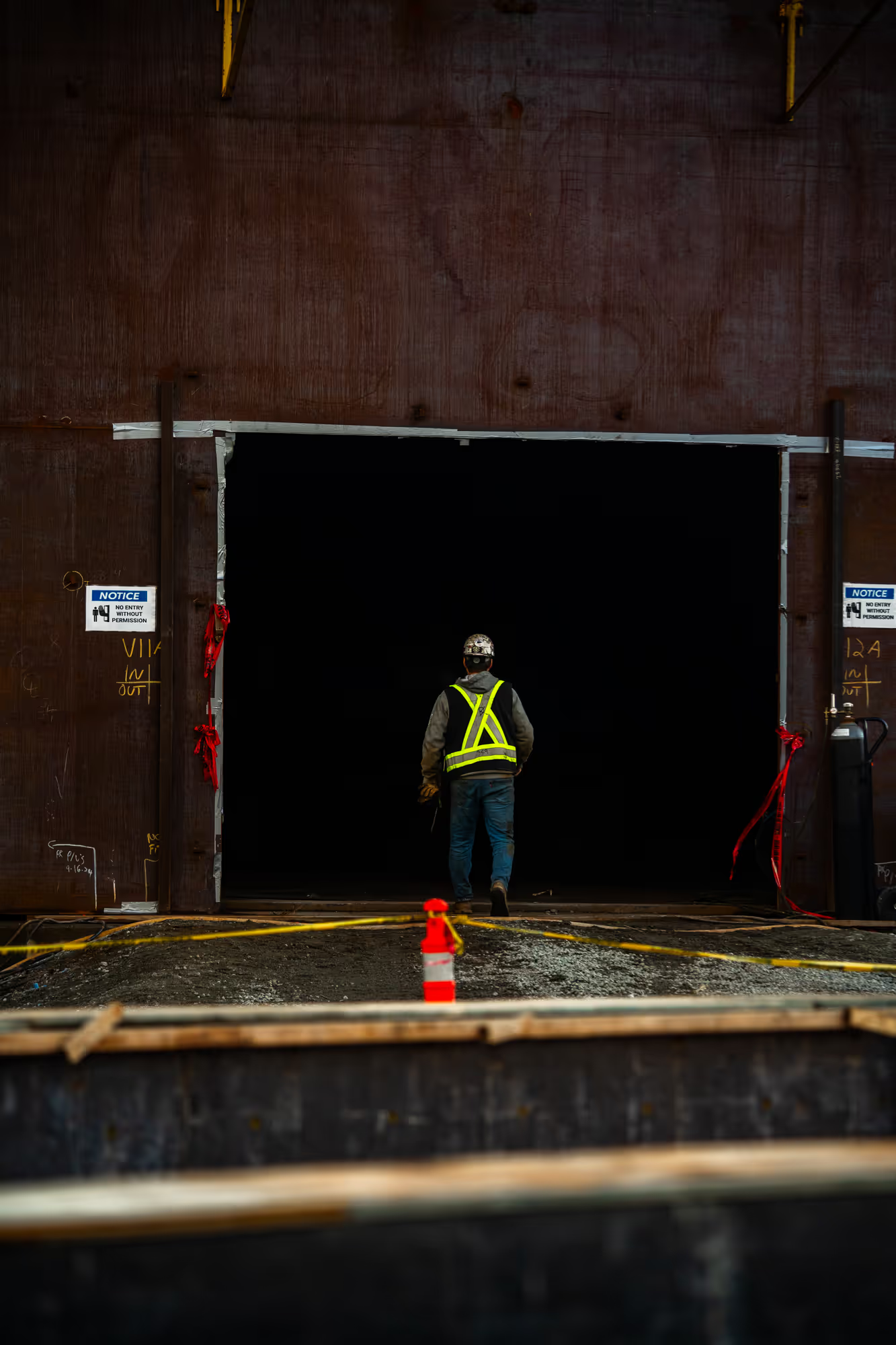
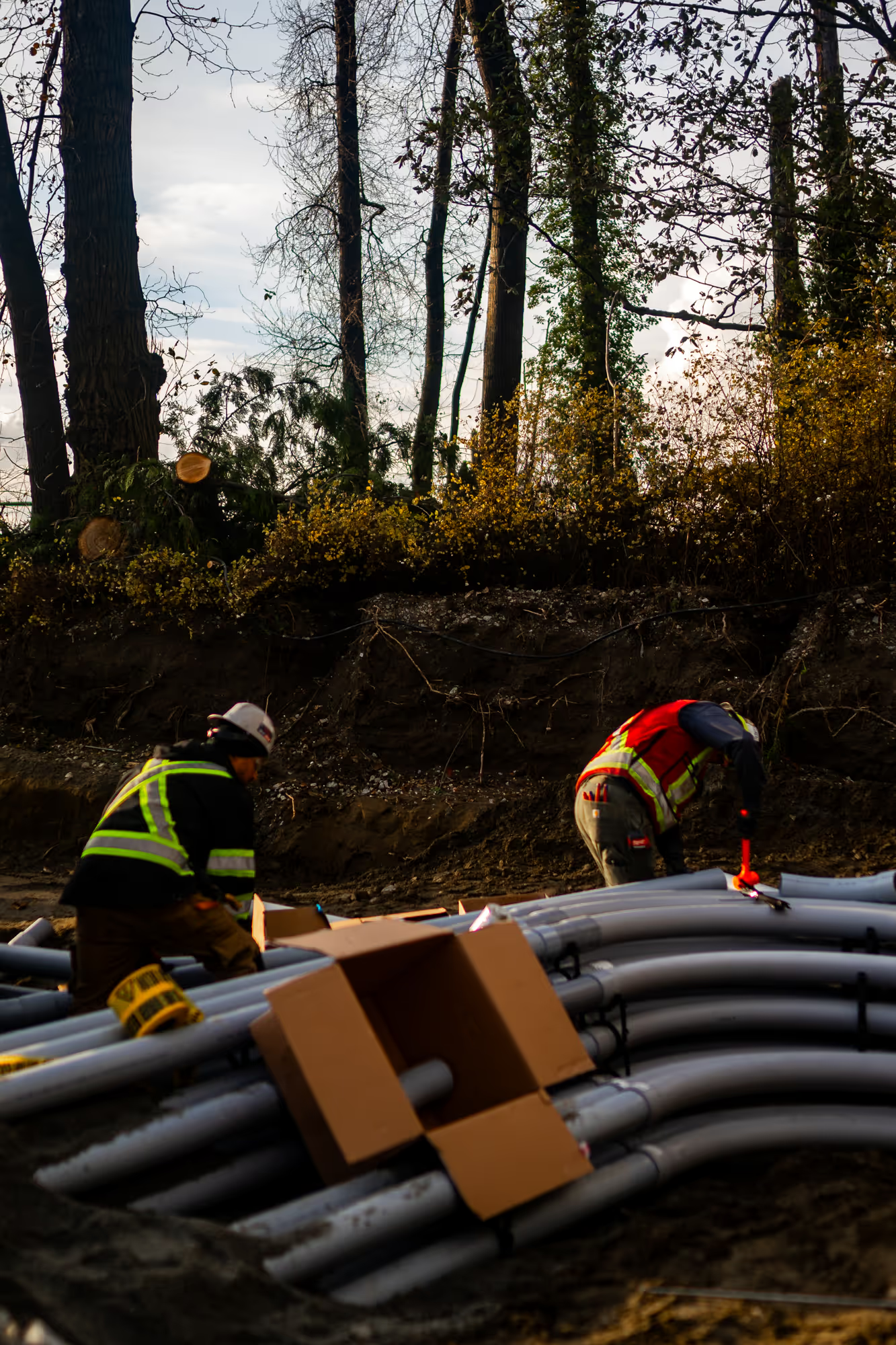






Showcase project milestones with a focus on detail, timeline control, and quality


Highlight large-scale builds, challenging environments, multi-disciplinary execution


Not just policy-based but insight-led: Why FWS’s approach results in lower risk and fewer delays
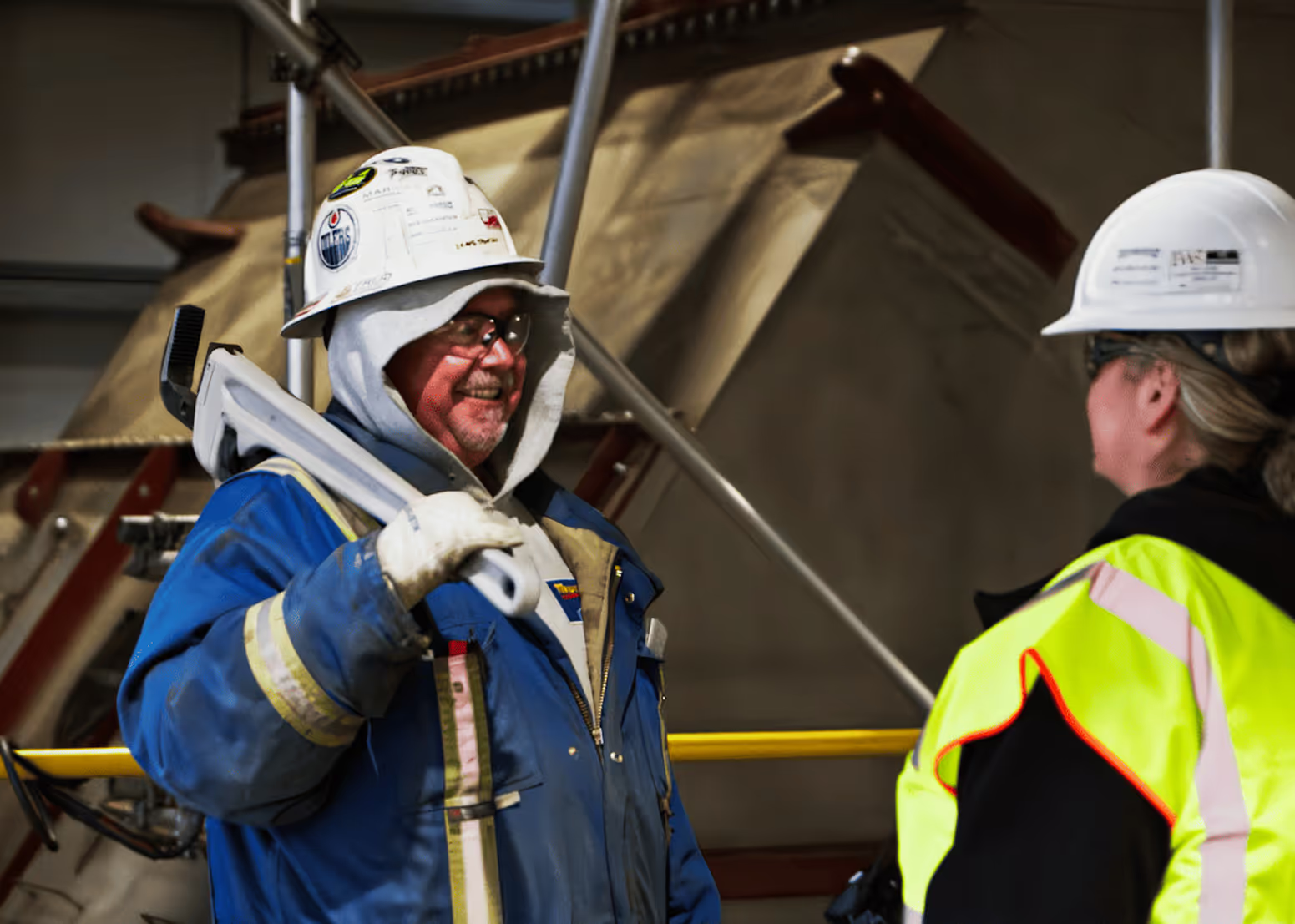

Shift from perceived project vendor to trusted long-term advisor and authority
Position FWS as the obvious choice for complex ag-industrial, mining, and infrastructure projects
Ensure consistency and clarity of messaging in all regions with tailored content
Shift from perceived project vendor to trusted long-term Use brand tone to reinforce expectations for communication, leadership, and quality company-wide and authority
Every element signals control and knowledge
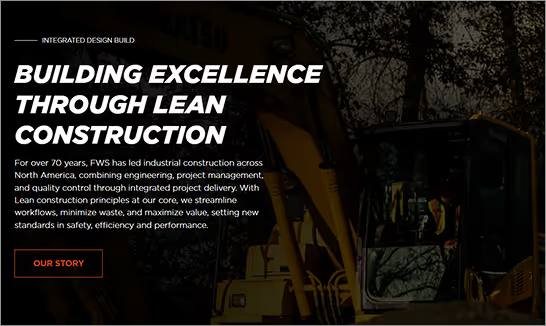
LinkedIn-first, with authority-led content






FWS is no longer a company that simply transforms ideas into builds (Magician). It is a builder of confidence, structure, and long-term certainty (Ruler) — backed by decades of experience, data, and leadership in the field (Sage).
This strategy ensures that every touchpoint with FWS communicates control, depth, and trust. It’s not about appearing flashy or friendly—it’s about being respected, reliable, and essential.

Building authority, trust, and reach across platforms
Social media is one of the most powerful tools available to support FWS’s business goals. This strategy document outlines how our social presence can drive meaningful engagement, strengthen our brand, support lead generation, and reflect the values and culture of our company. Our approach prioritizes purposeful storytelling, strategic targeting, and long-term value creation over chasing the latest trends.

With different departments at FWS having varying priorities for social media content, the key to a successful strategy is to create a content mix that meets all of their needs while maintaining a cohesive brand presence. Here's how we could structure the social media strategy to accommodate each department's objectives.
FWS blends the Sage and Ruler brand archetypes. Our tone is:











With different departments at FWS having varying priorities for social media content, the key to a successful strategy is to create a content mix that meets all of their needs while maintaining a cohesive brand presence. Here's how we could structure the social media strategy to accommodate each department's objectives.
Sales-Focused Content
Business Development & Corporate
HR & Recruitment
Engagement & Brand Personality
Sales-Focused Content
Regularly share posts about ongoing or completed projects with a focus on how they solve client problems, achieve high standards, and demonstrate FWS’s unique selling points.


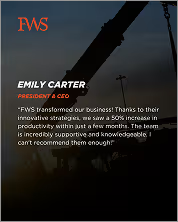
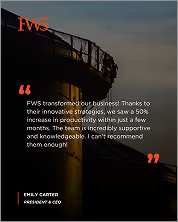
Include stories from satisfied clients and success metrics from key projects.

Short videos or graphics promoting specific services (e.g., projects or specialized construction methods, PRODUCTS etc)




Business Development & Corporate Initiatives
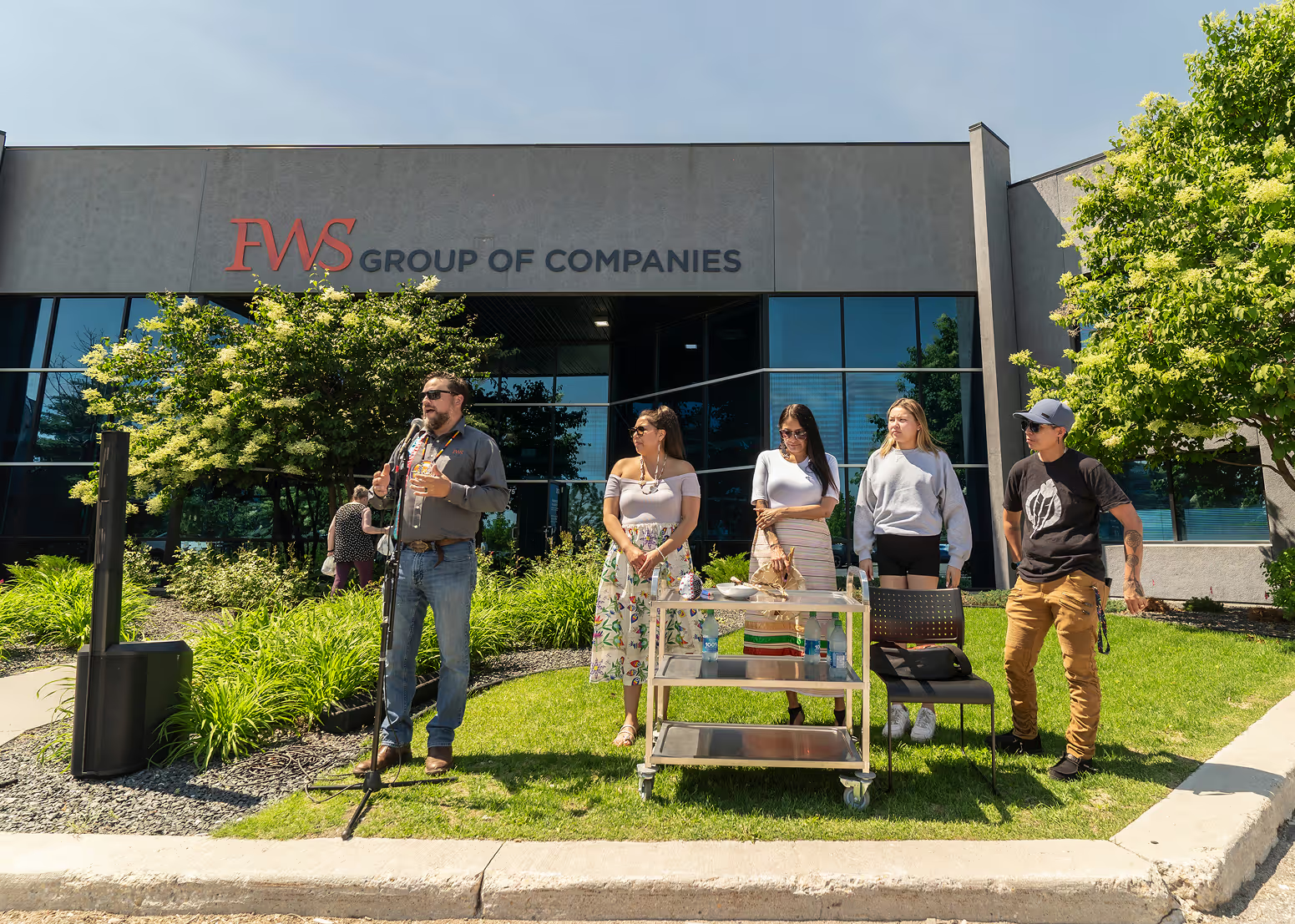
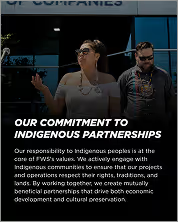
Stories about FWS’s ongoing work with Indigenous communities, including project updates, success stories, and how these initiatives align with broader company values.


Posts on corporate social responsibility initiatives like environmentally friendly building practices, community engagement, and charitable contributions.



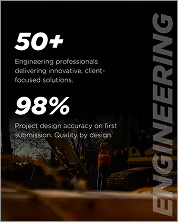
Educational content about construction industry trends, technology integration, and FWS's leadership in these areas.


HR & Recruitment
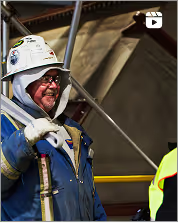
Showcase team members across departments to highlight the positive work environment and opportunities for growth at FWS.


Use posts to advertise open positions, internships, and opportunities, focusing on the benefits of working with FWS (e.g., culture, benefits, career advancement).


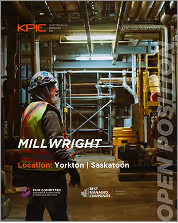
Share behind-the-scenes content like day-in-the-life videos, team-building events, and office culture to attract potential employees.

Engagement & Brand Personality
Celebrate project completions, awards, anniversaries, or key company milestones.

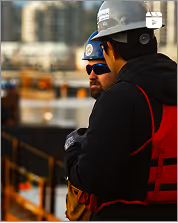
Include some holiday or light-hearted posts, but make sure they're relevant to the industry or to FWS’s brand values!!!
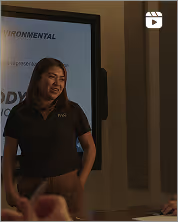
Feature FWS’s involvement in local events, partnerships with organizations, or volunteering efforts to build goodwill and brand awareness.


Cadence: 2–3 posts per week
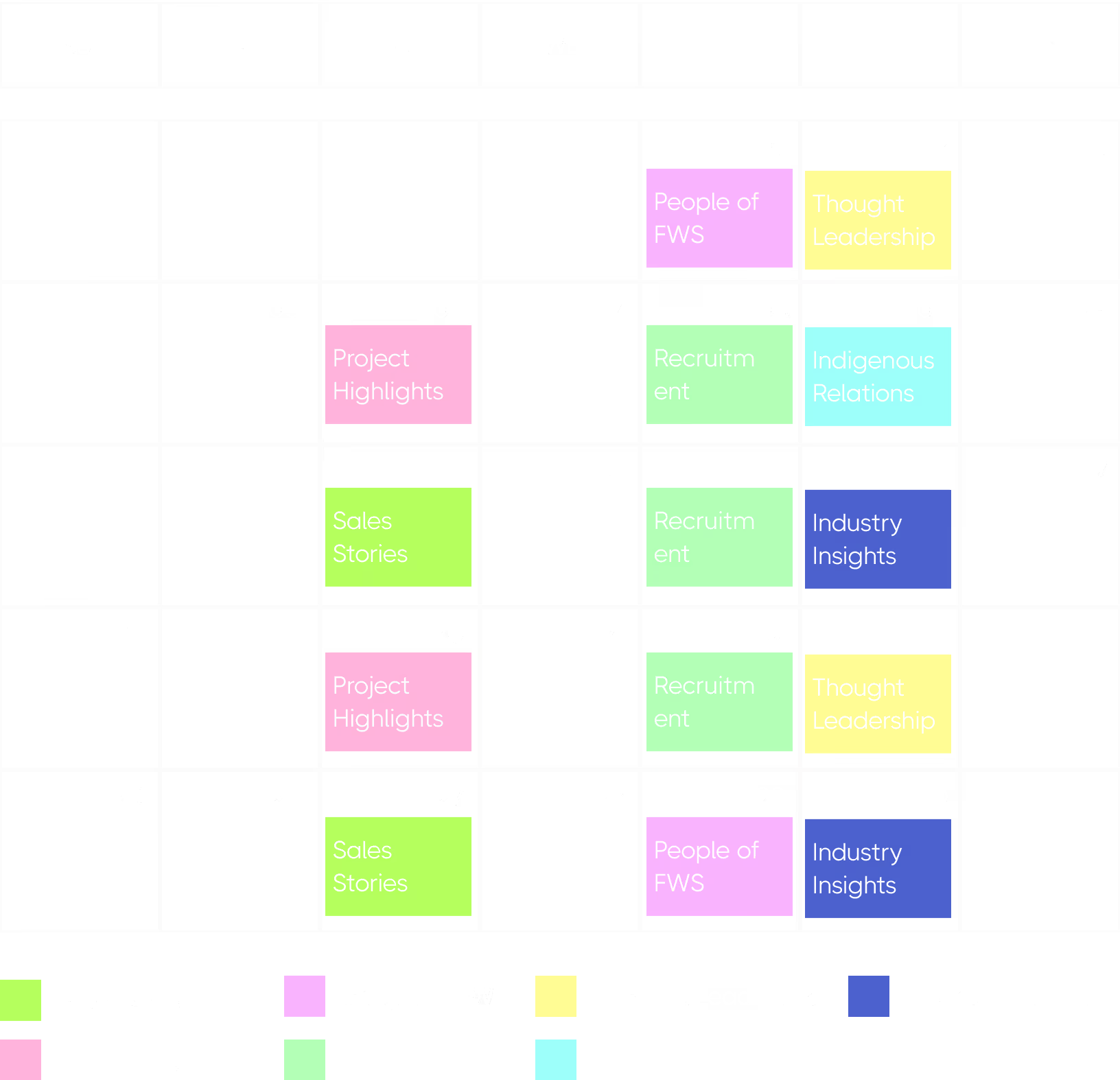
Highlights FWS’s ability to deliver complex projects with precision, discipline, and confidence.
Focuses on the people who drive our success.
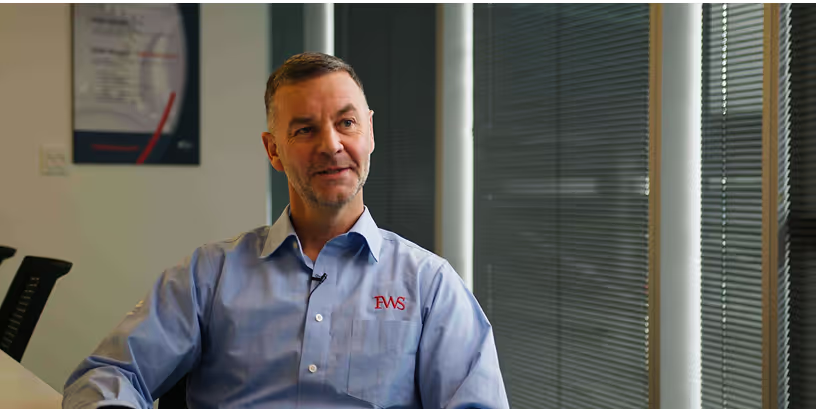
Demonstrates how we apply critical thinking, deep expertise, and forward-looking tools to stay at the forefront of our industry.

It emphasizes alignment, transparency, and the long-term value created through working in step with strong partners.

This pillar reflects how our internal culture and sense of responsibility guide how we operate, both on-site and within our communities.




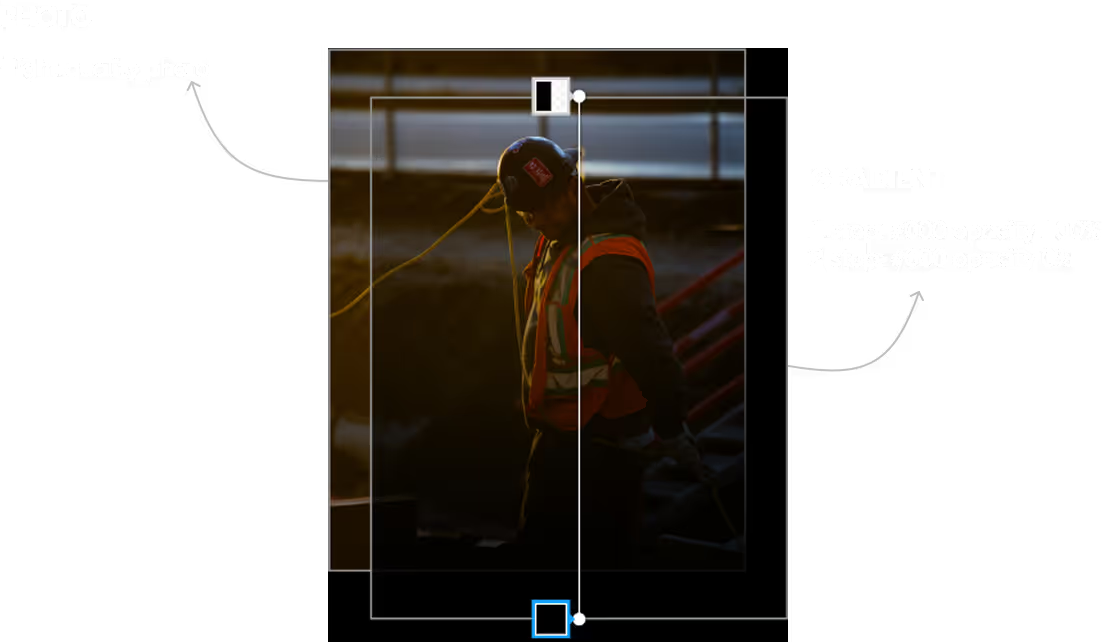
Boost your reach and grow your following with the right mix of visuals, videos, and interactive content.
To keep your audience engaged and encourage steady growth, your content strategy should be both consistent and diverse. Based on industry insights and social media trends, the optimal posting breakdown is as follows:
These typically gain the most reach and engagement due to algorithm preferences and users’ attention spans.
Showcase your brand personality, products, or team with polished, authentic imagery.
Great for tutorials, product features, or storytelling that encourages swiping and longer engagement.
Ideal for quick tips, statistics, or updates that are easy to digest and share.


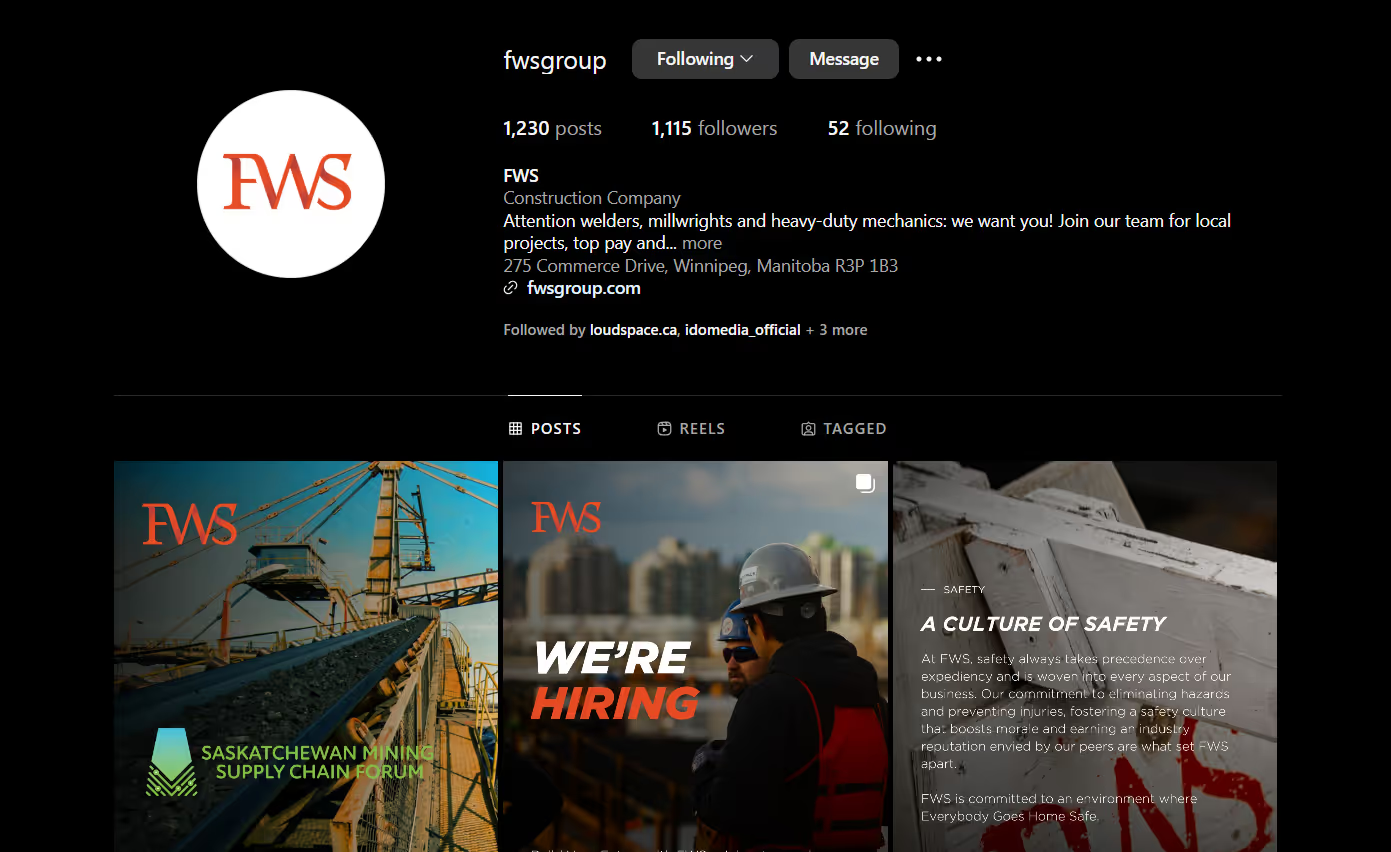


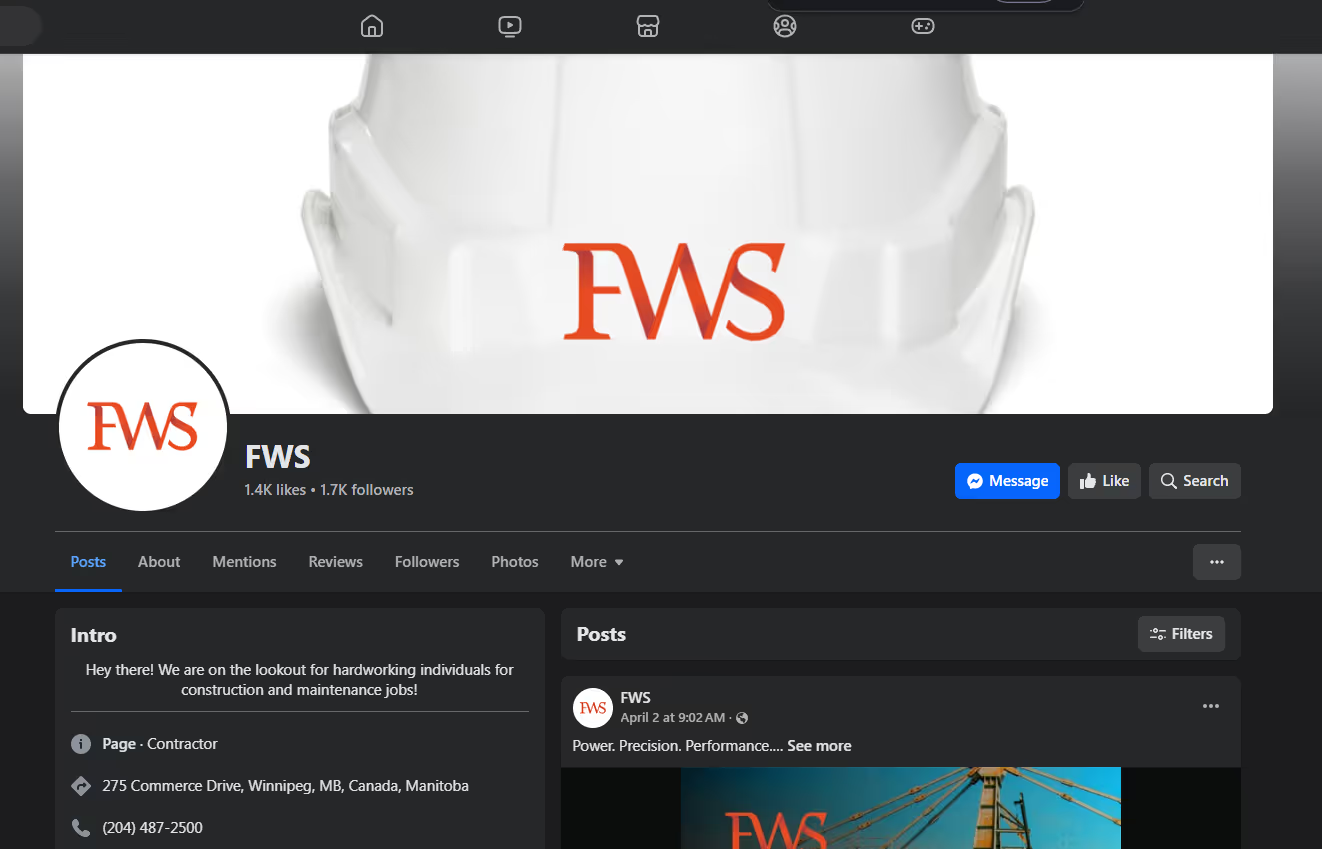
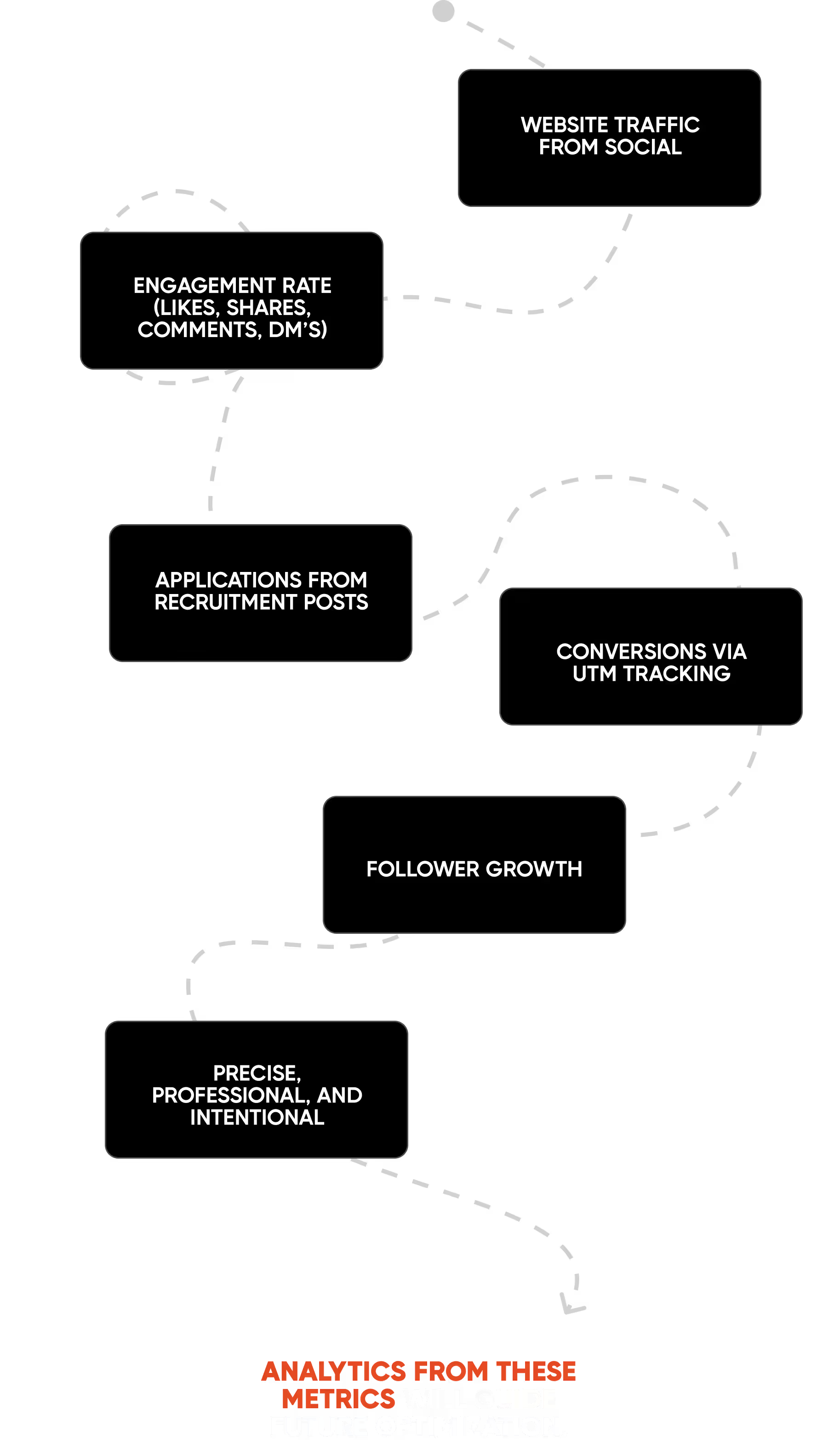
This strategy isn’t about checking boxes or keeping up with what everyone else is doing online. At FWS, we believe social media is a powerful storytelling tool—not a performative calendar of trends or expected moments.
It’s not about waiting for Safety Week to talk about safety, or Women in Construction Week to celebrate the contributions of our team. It’s about showing the world who we are all the time—what we value, how we work, and the real people behind the builds.
Our job isn’t to entertain. It’s to earn trust, share insights, and reflect the care, expertise, and leadership that define the FWS brand.
When done right, our social media presence isn’t a highlight reel—it’s a window into our world. Authentic. Strategic. Relentlessly focused on building beyond.

Internal Methodology for Drafting Articles
To position FWS employees as subject matter experts by sharing informed, experience-based insights that support the company’s Ruler/Sage brand tone—clear, authoritative, and forward-thinking.
Use this as a flexible but consistent format:
“Rethinking Lean: Why It’s Not About Doing More with Less”
“Lean construction isn’t about doing more with less—it’s about doing the right work at the right time.”
“Most Lean efforts fail not because the team didn’t try—but because they didn’t own it.”
Begin by writing 3–5 bullet points on:
From there, we’ll work with you to expand it into a complete piece.

Below is a set of questions organized by the profile structure we’ve established: Project Overview, Goals, Technologies & Innovations, Results, and Summary. These questions are designed to elicit insights, not just facts — so they go beyond specs to draw out challenges, decisions, and outcomes.
These are great for beginning, midpoint check-ins or near-commissioning interviews.
These are best for final close-out interviews or project summary reports.